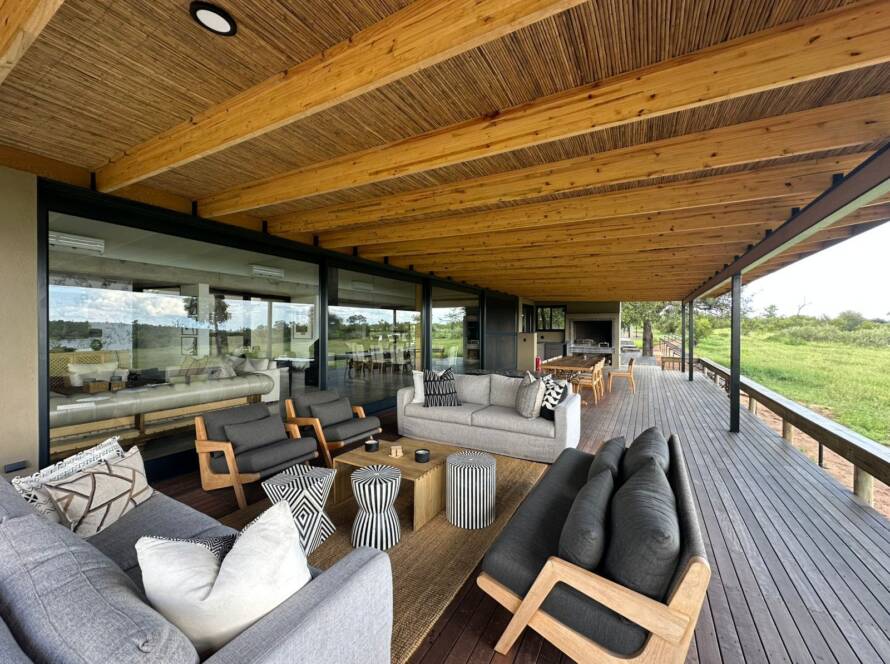
When exploring energy efficient glazing, Low E glass is often promoted as a premium solution. In colder countries this reputation is well earned, since Low E coatings are designed to retain heat within a building. South Africa’s climate, however, operates on very different principles. With inland heat, strong sun exposure, and coastal humidity, many homeowners are surprised to discover that Low E glass can create more challenges than advantages.
Understanding these limitations is essential for anyone planning a new build or renovation. The right glazing choice has a direct effect on comfort, performance, and long term energy costs.
Low E glass can trap unwanted heat
Low E coatings are formulated to reflect heat back into the interior of a building. In countries with cold winters, this improves indoor warmth and reduces heating requirements. In South Africa this works against you. When installed on north or west facing windows, Low E glass traps solar heat inside the room and creates a greenhouse effect. This makes interior spaces uncomfortably warm and forces cooling systems to work harder.
A more suitable alternative for our climate is solar control glass. These products limit solar heat gain without darkening the room or obstructing natural light, and they perform far better during South Africa’s long warm seasons.
The metallic coating that gives Low E glass its performance is extremely sensitive. Moisture, humidity, and everyday cleaning products can create stains, cloudy marks, and patches that cannot be removed. Once damaged, the coating cannot be repaired and the entire pane must be replaced.
This issue is especially common in areas with inconsistent weather patterns or high internal humidity, such as kitchens, bathrooms, and coastal homes.
Coastal regions present an even greater challenge. Salt in the air accelerates corrosion and oxidation on Low E coatings, resulting in visible blemishes and a significantly reduced lifespan.
Even double glazed units can experience corrosion if exposed to extreme coastal conditions or if installation is substandard. For these regions, tinted or reflective glass offers far better durability and performance.
A high cost with limited return
Low E glass often carries an elevated price, typically between thirty and fifty percent more than standard clear or solar control glazing. In colder countries the energy savings justify the additional cost. In South Africa the return is minimal because heating is rarely the primary concern. Most homeowners are attempting to reduce heat, not retain it.
Maintenance is another factor many do not consider. The coating on Low E glass is sensitive to common cleaning agents and abrasive materials. Incorrect cleaning can cause streaks, scratches, and coating deterioration over time. Homeowners often expect a premium product to be low maintenance, yet Low E glass can require more care than alternative glazing options.
Better suited alternatives for South Africa include solar control glass, reflective tints, and double glazing with laminated or toughened panes. These solutions improve comfort, enhance safety, and reduce heat without the drawbacks associated with Low E technology in warm climates.
Expert guidance tailored to local conditions
At Aluminium Experts we understand that glazing solutions which perform exceptionally well overseas are not always suited to South Africa’s climate zones. Our team supplies and installs glazing designed for our unique conditions, ensuring the correct balance of comfort, performance, and long term durability.
If you are building or renovating, speak to our specialists for advice on the best glass type for your project. The right choice can significantly improve indoor comfort and reduce energy and maintenance costs over time.